In recent years, custom apparel printing has surged in popularity, transforming the way individuals and businesses express their unique identities. Whether for promotional events, team uniforms, or personal fashion statements, custom printed apparel allows for a level of personalization that off-the-shelf clothing simply cannot match. As more people seek to stand out in a crowd, understanding the nuances of this process becomes essential. One of the most critical aspects of custom apparel printing is the choice of ink and materials. The right combination can significantly impact the final product's look, feel, and durability.
For instance, water-based inks offer a soft finish and are environmentally friendly, while plastisol inks provide vibrant colors and excellent opacity on dark fabrics. Additionally, the choice of material—be it cotton, polyester, or blends—can affect not only the print quality but also the comfort and wearability of the garment. As you embark on your journey to create custom printed apparel, it's vital to consider these options carefully. Not only do they influence the aesthetic appeal of your designs, but they also play a crucial role in how well your prints hold up over time. By understanding the various ink options and material choices, you can ensure that your custom apparel not only looks great but also meets your functional needs.
The Basics of Custom Apparel Printing
Custom apparel printing is a versatile method of creating personalized clothing items that reflect individual style, brand identity, or promotional messages.This process involves applying designs, logos, or text onto various types of garments using different printing techniques.There are several popular custom printing methods available, each with its unique advantages:
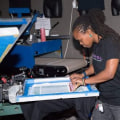
- Screen Printing: This traditional method is ideal for bulk orders and offers vibrant colors and durability. It works best on cotton fabrics and is cost-effective for large runs.
- Direct-to-Garment (DTG) Printing: DTG allows for high-resolution designs and is perfect for small batches or one-off items. It uses inkjet technology to print directly onto the fabric, making it suitable for intricate designs.
- Heat Transfer Printing: This method involves transferring a design from a special paper onto the garment using heat. It’s great for detailed images and can be used on various materials.
- Sublimation Printing: Best suited for polyester fabrics, sublimation allows for all-over prints and vibrant colors that become part of the fabric itself, ensuring longevity.
- Brand Promotion: Custom apparel serves as a walking advertisement, helping to increase brand visibility.
- Personalization: Individuals can express their unique style or commemorate special events through custom designs.
- Quality Control: By choosing specific materials and inks, customers can ensure the final product meets their expectations in terms of feel and durability.
Types of Inks Used in Custom Apparel Printing
When it comes to custom apparel printing, the choice of ink can significantly impact the final product's look, feel, and durability.Understanding the different types of inks available is crucial for making an informed decision that aligns with your design goals and sustainability preferences.
Water-Based Inks
Water-based inks are a popular choice for custom apparel printing due to their soft feel and vibrant colors. These inks penetrate the fabric fibers, resulting in a more natural look and feel compared to other types. They are also less harmful to the environment, making them an excellent option for eco-conscious brands. However, water-based inks may not be suitable for all fabrics, particularly those that are dark or have a high polyester content.Plastisol Inks
Plastisol inks are another widely used option in the custom printing industry.Composed of PVC particles suspended in a plasticizer, these inks provide excellent opacity and durability. They sit on top of the fabric rather than soaking in, which allows for vibrant colors even on dark materials. While plastisol inks are versatile and long-lasting, they can feel heavier on the fabric and may not be as breathable as water-based options.
Eco-Friendly Inks
For those looking to minimize their environmental impact, eco-friendly inks are an ideal choice. These inks often include soy-based or other natural components that reduce harmful emissions during production.They can be either water-based or discharge inks, which remove dye from the fabric rather than adding color. While eco-friendly options may come at a higher cost, they align with sustainable practices and appeal to environmentally conscious consumers.In summary, selecting the right type of ink for your custom printed apparel involves considering factors such as fabric type, desired feel, color vibrancy, and environmental impact. By understanding the properties and advantages of each ink type, you can make a more informed decision that meets your specific needs.
Choosing the Right Material for Your Custom Apparel
When it comes to custom apparel printing, the choice of material plays a crucial role in determining the overall quality and longevity of your printed designs. Different fabrics have unique characteristics that can significantly affect print quality, feel, and durability.Cotton: The Classic Choice
Cotton is one of the most popular materials for custom printed apparel.Known for its softness and breathability, cotton provides a comfortable fit, making it ideal for everyday wear. Additionally, cotton absorbs ink well, resulting in vibrant prints. However, it may not be as durable as synthetic fabrics and can shrink or fade over time if not cared for properly.
Polyester: The Performance Fabric
Polyester is another common choice for custom apparel printing. This synthetic fabric is known for its durability and resistance to wrinkles, shrinking, and fading.Polyester holds ink exceptionally well, making it suitable for high-quality prints that require precision. It’s also moisture-wicking, which makes it a great option for athletic wear. However, some may find polyester less breathable than cotton.
Cotton-Polyester Blends
A blend of cotton and polyester combines the best of both worlds. These fabrics offer the softness of cotton with the durability of polyester.They are less prone to wrinkling and fading compared to 100% cotton while still providing a comfortable feel. This makes them an excellent choice for custom printed apparel that needs to withstand regular use.
Other Fabric Options
- Rayon: A semi-synthetic fabric that drapes well and has a silky feel, but may not hold prints as well as cotton or polyester.
- Linen: Known for its breathability and natural texture, linen can be used for custom prints but may require special care.
- Spandex: Often blended with other materials for stretchability, spandex is ideal for form-fitting apparel but may not be suitable for all types of printing.
Can You Request Specific Inks or Materials?
When it comes to custom apparel printing, many customers wonder if they can request specific types of inks or materials for their orders. The good news is that most reputable printing companies are open to customization requests, allowing you to tailor your apparel to meet your unique needs.Requesting Specific Inks
One of the primary considerations in custom printed apparel is the type of ink used.
Different inks offer various benefits, such as durability, vibrancy, and eco-friendliness. For instance, if you are looking for a more sustainable option, you might request water-based inks, which are less harmful to the environment compared to traditional plastisol inks. Additionally, some brands may offer specialty inks like metallic or glow-in-the-dark options that can enhance the visual appeal of your designs.
Custom Material Requests
In addition to inks, the material of the apparel itself plays a crucial role in the final product. Many printing companies provide a range of fabric options, including cotton, polyester, and blends.
If you have a specific fabric in mind—perhaps a moisture-wicking material for athletic wear or organic cotton for eco-conscious consumers—you should communicate this during the ordering process. Keep in mind that not all printers may have access to every type of material, so it’s essential to check with them beforehand.
Factors Influencing Your Requests
- Minimum Order Quantities: Some custom requests may require a minimum order quantity, especially for specialty inks or materials.
- Cost Implications: Custom inks and materials can sometimes increase production costs, so be prepared for potential price adjustments.
- Production Time: Custom requests may also affect turnaround times; ensure you discuss deadlines with your printer.
Factors to Consider When Requesting Custom Inks or Materials
When considering a request for specific inks or materials in custom apparel printing, there are several key factors to keep in mind to ensure the best results for your project.Compatibility with Fabrics
One of the most critical aspects is the compatibility of the ink or material with the fabric you have chosen. Different fabrics react uniquely to various inks:- Cotton: Generally works well with water-based inks, which provide a soft feel.
- Polyester: Often requires dye-sublimation inks for vibrant colors and durability.
- Blends: May need specialized inks that can adhere properly to both fabric types.
Cost Implications
Another important consideration is the potential cost implications.Custom inks or specialty materials can significantly affect the overall price of your project. Here are some points to consider:
- Material Costs: Specialty fabrics or inks may come at a premium price.
- Setup Fees: Custom requests often incur additional setup fees, especially if they require unique printing processes.
- Minimum Order Quantities: Some custom materials may have higher minimum order requirements, impacting your budget.
Frequently Asked Questions About Custom Apparel Printing Requests
When it comes to custom apparel printing, many customers often wonder if they can request specific types of ink or materials for their designs.The answer is generally yes, but it can depend on the printing company and the methods they use.
Types of Inks Available
Most custom apparel printing services offer a variety of inks, including:- Plastisol Ink: This is a popular choice for screen printing due to its durability and vibrant colors.
- Water-Based Ink: Ideal for a softer feel, water-based inks penetrate the fabric, making them less noticeable.
- Discharge Ink: This type removes the dye from the fabric and replaces it with color, resulting in a soft print.
- Eco-Friendly Inks: Many companies now offer inks that are environmentally friendly, catering to eco-conscious consumers.
Material Considerations
The choice of material can also impact your custom apparel. Common materials include:- Cotton: A versatile and breathable option that works well with most inks.
- Polyester: Often used for athletic wear, polyester can require special inks for optimal adhesion.
- Blends: Cotton-poly blends are popular for their comfort and durability.
It allows you to create a product that meets your exact needs and preferences, ensuring satisfaction with your final piece.
Conclusion: Making Informed Choices in Custom Apparel Printing
In conclusion, understanding the various options available in custom apparel printing is crucial for making informed decisions that align with your vision and needs. As we have explored, the choice of ink and material can significantly impact not only the aesthetic appeal of your custom printed apparel but also its durability, comfort, and overall quality.When considering your options, keep in mind the following key points:- Ink Types: Different inks serve different purposes. For instance, water-based inks are eco-friendly and provide a soft feel, while plastisol inks offer vibrant colors and durability.
- Material Selection: The fabric you choose can affect how the ink adheres and appears. Cotton blends may yield different results compared to polyester or specialty fabrics.
- Purpose of Apparel: Consider the intended use of your custom apparel.
Athletic wear may require moisture-wicking materials, while promotional items might prioritize cost-effectiveness.