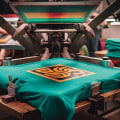
In recent years, custom apparel printing has surged in popularity, becoming a go-to solution for individuals and businesses alike looking to express their unique style or brand identity. From personalized t-shirts to custom hoodies, the ability to create tailored clothing has transformed the way we think about fashion and marketing. This trend is not just a fleeting moment; it reflects a growing desire for individuality and self-expression in a world increasingly dominated by mass production. As the demand for custom apparel printing continues to rise, understanding the various aspects of this process becomes essential. One critical factor that often comes into play is the size limitations associated with different printing methods.
Whether you are designing a large graphic for a back print or opting for smaller logos on the front, knowing the constraints of your chosen printing technique can significantly impact the final product. Different printing methods, such as screen printing, direct-to-garment (DTG), and heat transfer, each come with their own set of specifications regarding size and placement. For instance, while DTG allows for intricate designs on various fabric types, it may have limitations on the maximum print area compared to screen printing. Understanding these nuances not only helps in achieving the desired aesthetic but also ensures that your custom apparel meets quality standards.
Overview of Custom Apparel Printing Techniques
When it comes to custom apparel printing, understanding the various techniques available is essential, as each method has its own unique characteristics and limitations, particularly regarding size.Screen Printing
Screen printing is one of the most popular methods for custom apparel.It involves creating a stencil (or screen) and using it to apply layers of ink onto the fabric. This technique is highly effective for large runs of apparel, but it does have size limitations. Typically, screen printing can accommodate designs up to 14 inches by 16 inches, depending on the size of the screen used. For larger designs, multiple screens may be required, which can increase production time and costs.
Direct-to-Garment (DTG)
Direct-to-garment (DTG) printing is a newer technology that allows for high-resolution images to be printed directly onto the fabric using specialized inkjet printers. This method is ideal for intricate designs and smaller runs. However, DTG printers also have size limitations; most can handle prints up to 12 inches by 16 inches on standard garments. For larger prints, it may be necessary to use multiple passes or switch to a different printing method.Heat Transfer
Heat transfer printing involves applying a design onto a special transfer paper and then using heat and pressure to transfer the design onto the fabric. This method is versatile and can accommodate various sizes, but it is generally best suited for smaller designs. The maximum size for heat transfer prints typically ranges from 11 inches by 17 inches, depending on the heat press used. Larger designs may require tiling or multiple transfers, which can complicate the process.In summary, while there are several effective custom apparel printing techniques available, each comes with its own set of size limitations that should be considered when planning your design. Understanding these constraints will help you choose the right method for your specific needs.
Factors Influencing Size Limitations in Custom Apparel Printing
When it comes to custom apparel printing, several key factors can influence the size limitations of your designs. Understanding these factors is crucial for achieving the best results in your custom projects.Fabric Type
The type of fabric you choose plays a significant role in determining the maximum size of your printed design. Different materials have varying levels of stretch, texture, and absorbency, which can affect how well the ink adheres and how the final product looks.For instance, cotton tends to hold prints well, while polyester may require specific inks to achieve vibrant colors. Additionally, fabrics with a looser weave may not support large designs as effectively as tighter weaves.
Design Complexity
The complexity of your design also impacts size limitations. Intricate designs with fine details may not translate well when scaled up, leading to a loss of clarity and visual appeal. It's essential to consider how the design will look at different sizes and whether it can be simplified without losing its essence.For example, a highly detailed graphic might work better at a smaller scale, while bold logos or text can be enlarged without compromising quality.
Printing Equipment
The capabilities of the printing equipment used for custom apparel printing are another critical factor. Different printers have varying maximum print sizes and resolutions. For instance, screen printing is often limited by the size of the screens used, while digital printing can accommodate larger designs but may have restrictions based on the printer's specifications. Always consult with your printing service to understand their equipment limitations and how they can accommodate your design needs.In summary, when planning your custom apparel printing, consider the fabric type, design complexity, and printing equipment capabilities to ensure that your final product meets your expectations in both size and quality.Common Size Limitations by Printing Method
When it comes to custom apparel printing, understanding the size limitations of each printing method is crucial for achieving the best results.Different techniques have varying capabilities, which can affect the design and overall look of your apparel.
Screen Printing Size Limitations
Screen printing is a popular method for bulk orders, but it does come with size restrictions. Typically, the maximum print area for screen printing is around 14 inches by 16 inches. However, this can vary based on the printer's setup and the type of garment being used. For larger designs, multiple screens may be required, which can increase costs and production time.DTG Size Limits
Direct-to-garment (DTG) printing offers more flexibility in terms of design size.Most DTG printers can handle prints up to 16 inches by 20 inches, making it suitable for larger graphics and intricate designs. However, it's important to note that the fabric type and color can influence the final output quality. Dark fabrics may require a white underbase, which can slightly reduce the effective print area.
Heat Transfer Size Restrictions
Heat transfer printing also has its own set of limitations. The maximum size for heat transfer prints generally ranges from 11 inches by 17 inches to 12 inches by 15 inches, depending on the heat press used.While this method allows for vibrant colors and detailed images, larger designs may need to be split into multiple transfers, which can complicate the application process.In summary, when planning your custom apparel printing, it's essential to consider these size limitations associated with each method. By understanding these constraints, you can better tailor your designs to fit within the optimal print areas, ensuring high-quality results that meet your expectations.
How to Choose the Right Size for Your Custom Apparel Design
Choosing the right size for your custom apparel printing project is crucial to achieving a professional look and ensuring customer satisfaction. Here are some key considerations and guidelines to help you make the best decision.Understand Your Audience
Before finalizing the size of your custom apparel, consider who will be wearing it. Different demographics may have varying preferences for fit and style.For instance, younger audiences might prefer a more fitted look, while older customers may lean towards a relaxed fit.
Design Considerations
- Print Area: The size of your design should complement the garment size. A large print on a small shirt can look overwhelming, while a tiny design on a larger shirt may appear lost.
- Proportions: Ensure that the proportions of your design are visually appealing. Use mockups to visualize how your design will look on different sizes.
- Color and Contrast: Consider how colors will appear on various sizes. A design that looks great on a medium shirt might not have the same impact on an extra-large one.
Sizing Guidelines
To ensure that your custom apparel fits well, follow these sizing guidelines:- Refer to Size Charts: Always use the manufacturer’s size chart as a reference.
This will help you understand the measurements for each size.
- Sample Sizes: If possible, order samples in different sizes to see how they fit and how your design translates across them.
- Fit Type: Decide whether you want a standard fit, slim fit, or oversized style. Each fit type will affect how your design is perceived.
Frequently Asked Questions about Size Limitations in Custom Apparel Printing
When it comes to custom apparel printing, many customers have questions regarding size limitations. Understanding these limitations can help you make informed decisions about your designs and the apparel you choose.What are the typical size limitations for custom prints?
Most printing companies have standard size limits for their printing processes. Generally, the maximum print area for custom apparel is around 12 inches by 16 inches for screen printing and can vary for other methods like direct-to-garment (DTG) printing.However, some companies may offer larger print areas, so it’s essential to check with your provider.
Can I print on larger garments?
Yes, you can print on larger garments, but the size of the print may still be restricted by the printing method used. For instance, oversized shirts or hoodies may allow for larger designs, but you should confirm the maximum dimensions with your printer.Are there any restrictions based on garment type?
- T-shirts: Typically have a standard print area, but specialty cuts may allow for different sizes.
- Hoodies: Often have larger print areas, especially on the back.
- Caps: Usually have smaller print areas due to their shape.
What if my design exceeds the size limitations?
If your design exceeds the maximum size allowed, consider breaking it into multiple prints or redesigning it to fit within the specified dimensions. Many printers can assist with resizing or adjusting your artwork to ensure it meets their requirements.In conclusion, while there are size limitations in custom apparel printing, understanding these constraints allows you to create effective designs that look great on your chosen garments. Always consult with your printing service to clarify any specific questions regarding size limitations and options available to you.Conclusion: Key Takeaways on Size Limitations in Custom Apparel Printing
In summary, understanding the size limitations in custom apparel printing is crucial for achieving the best results in your projects.Here are the key takeaways:
- Print Area: Each garment type has a designated print area that can vary significantly. Knowing these dimensions helps in designing graphics that fit well and look professional.
- Fabric Type: Different fabrics may have unique characteristics that affect print quality. For instance, stretchy materials may require special printing techniques to ensure durability and clarity.
- Printing Method: The choice of printing method—whether screen printing, direct-to-garment (DTG), or heat transfer—can impose specific size restrictions. Each method has its own optimal size range for designs.
- Order Quantity: Larger orders may allow for more flexibility in design size due to economies of scale, while smaller runs might necessitate more careful consideration of size limitations.
- Design Complexity: Intricate designs may not translate well at larger sizes, leading to a loss of detail.
It’s essential to balance size with design complexity to maintain visual appeal.