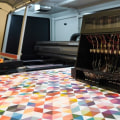
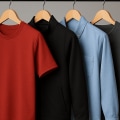
When it comes to custom apparel printing, the choices you make in your design can significantly impact the final product. One of the most crucial aspects of any design is color. The colors you select not only convey your brand's message but also influence how your audience perceives your apparel. Whether you're designing for a team, a business, or a personal project, understanding the nuances of color choices is essential for achieving the desired aesthetic and emotional response. However, many designers often wonder if there are limitations to the number of colors they can use in their custom apparel printing projects.
The answer is not straightforward, as it largely depends on the printing method chosen and the fabric being used. For instance, screen printing typically has a limit on the number of colors that can be effectively applied in one run, while digital printing allows for a broader spectrum of colors without significant restrictions. This section will explore these limitations and considerations, helping you make informed decisions about your design. Moreover, understanding the implications of color choices extends beyond mere aesthetics. Different colors can evoke various emotions and reactions, making it vital to choose wisely based on your target audience.
As we delve deeper into this topic, we will uncover how to navigate these color limitations while still creating vibrant and impactful designs that stand out in the crowded world of custom apparel.
Understanding the Basics of Custom Apparel Printing
When it comes to custom apparel printing, understanding the different printing methods is essential for determining how many colors you can effectively use in your designs. Each method has its own set of limitations and advantages that can influence your creative choices.Types of Printing Methods
- Screen Printing: This traditional method is ideal for bulk orders and offers vibrant colors. However, it typically has a limit on the number of colors per design, often ranging from 1 to 6 colors. Each color requires a separate screen, which can increase costs and complexity.
- Digital Printing: Also known as Direct-to-Garment (DTG) printing, this method allows for full-color designs without the same limitations as screen printing.
You can use an unlimited number of colors, making it perfect for intricate designs or photographs.
- Sublimation Printing: This technique is best suited for polyester fabrics and allows for vibrant, full-color prints. Like digital printing, sublimation does not impose strict color limits, enabling seamless color transitions and detailed graphics.
By aligning your design goals with the appropriate printing technique, you can achieve stunning results that meet your vision.
Color Limitations in Different Printing Methods
When it comes to custom apparel printing, understanding the color limitations of different printing methods is crucial for achieving the desired design outcome. Each method has its own set of constraints that can significantly impact the final product.Screen Printing Color Limits
Screen printing is one of the most popular methods for custom apparel printing, especially for bulk orders. However, it typically has a color limit due to the nature of the process. Each color in a design requires a separate screen, which can be time-consuming and costly.Generally, most screen printers recommend a maximum of 6 to 8 colors for optimal results. Exceeding this limit can lead to increased production time and costs, as well as potential issues with color registration.
Digital Printing Colors
In contrast, digital printing offers much greater flexibility when it comes to color usage. This method allows for full-color designs without the need for separate screens, making it ideal for intricate graphics and photographs. With digital printing, you can utilize a virtually unlimited palette, which is particularly beneficial for designs that require gradients or complex color combinations.However, it's important to note that the vibrancy and accuracy of colors can vary based on the fabric and printer used.
Heat Transfer Limitations
Heat transfer printing is another popular option in custom apparel printing, especially for smaller runs or personalized items. While this method allows for detailed designs and multiple colors, it does have its limitations. The type of transfer material used can restrict the number of colors that can be effectively applied. Additionally, heat transfer prints may not adhere well to all fabric types, which can affect color fidelity and durability over time.In summary, when planning your custom apparel printing project, it's essential to consider the specific color limitations associated with each printing method.By understanding these constraints, you can make informed decisions that align with your design vision and production capabilities.
Factors Influencing Color Choices in Custom Apparel Design
When it comes to custom apparel printing, the choice of colors is not merely a matter of personal preference; it is influenced by several external factors that can significantly impact the effectiveness of the design. Understanding these factors can help you create apparel that resonates with your target audience and aligns with your brand identity.Brand Identity
Your brand's identity plays a crucial role in determining the color palette for your custom apparel. Colors evoke emotions and convey messages, so it’s essential to choose hues that reflect your brand's values and mission. For instance, a company focused on sustainability might opt for earthy tones, while a tech startup may lean towards sleek, modern colors like blue or silver.Target Audience Considerations
Understanding your target audience is vital when selecting colors for custom apparel printing.Different demographics respond to colors in unique ways:
- Age: Younger audiences may prefer vibrant, bold colors, while older consumers might gravitate towards more muted tones.
- Gender: Color preferences can vary significantly between genders; for example, studies show that women often prefer softer colors, while men may favor bolder shades.
- Cultural Influences: Colors can have different meanings across cultures. For instance, white is often associated with purity in Western cultures but can symbolize mourning in some Eastern cultures.
Color Psychology
The psychological effects of colors should not be overlooked in custom apparel printing. Each color can evoke specific feelings and associations:- Red: Passion and energy
- Blue: Trust and calmness
- Green: Growth and health
- Yellow: Happiness and optimism
Common Misconceptions About Color Limits in Custom Apparel Printing
When it comes to custom apparel printing, many designers and businesses hold onto certain myths regarding color limits that can hinder their creative process.Understanding these misconceptions is crucial for making informed decisions about design and production.
- Myth 1: There is a strict limit on the number of colors. While some printing methods, like screen printing, may have practical limits based on the number of screens used, modern techniques such as digital printing allow for a virtually unlimited color palette. This means you can incorporate as many colors as your design requires without compromising quality.
- Myth 2: More colors mean higher costs. Although it’s true that certain printing methods charge more for additional colors, this is not universally applicable. Digital printing, for instance, often has a flat rate regardless of color complexity, making it a cost-effective option for vibrant designs.
- Myth 3: Complex designs are always more difficult to print. While intricate designs may require more attention during the setup phase, advancements in technology have made it easier to reproduce detailed artwork accurately. As long as the artwork is prepared correctly, complex designs can be printed just as easily as simpler ones.
This newfound understanding allows for greater design flexibility, enabling the creation of unique and eye-catching apparel that stands out in a crowded market. Whether you’re designing for a small event or a large-scale production, knowing the truth about color limits can empower you to push creative boundaries and achieve stunning results.
Best Practices for Choosing Colors in Custom Apparel Design
When it comes to custom apparel printing, selecting the right colors is crucial for creating a design that stands out and resonates with your audience. Here are some best practices to consider when choosing colors for your custom apparel:- Understand Your Brand: Before diving into color selection, consider your brand's identity. Colors evoke emotions and convey messages.
For instance, blue often represents trust, while red can signify passion. Align your color choices with your brand values.
- Limit Your Palette: While it might be tempting to use a wide array of colors, sticking to a limited palette can enhance the overall impact of your design. Aim for 2-4 main colors that complement each other well. This not only simplifies the printing process but also ensures a cohesive look.
- Consider the Printing Method: Different printing techniques have varying limitations on color usage.
For example, screen printing may have restrictions on the number of colors you can use without incurring additional costs. Familiarize yourself with these limitations to avoid surprises during production.
- Utilize Color Theory: Leverage color theory principles to create effective combinations. Complementary colors (those opposite each other on the color wheel) can create striking contrasts, while analogous colors (those next to each other) provide a more harmonious look.
- Test Your Colors: Always request a sample or proof of your design before finalizing your order. This allows you to see how the colors appear on fabric and make adjustments if necessary.
Colors can look different in print than they do on screen.
Frequently Asked Questions About Color Limits in Custom Apparel Printing
When it comes to custom apparel printing, many customers wonder about the limitations regarding the number of colors they can use in their designs. Here are some frequently asked questions that can help clarify these concerns:1.Is there a maximum number of colors for custom apparel printing?
Yes, there is often a limit to the number of colors you can use, and this limit varies depending on the printing method chosen. For instance:- Screen Printing: Typically allows for 1 to 6 colors per design, as each color requires a separate screen.
- Direct-to-Garment (DTG) Printing: Generally has no strict color limit, allowing for full-color designs, but may have some restrictions based on fabric type.
- Heat Transfer: Can accommodate multiple colors, but the complexity of the design may affect the cost and production time.
2.How do color limits affect my design?
The number of colors in your design can impact both the cost and the quality of your final product.More colors typically mean higher production costs due to additional screens or setup time. Additionally, intricate designs with many colors may not translate well on certain fabrics.
3.Can I use gradients or shades?
While some printing methods allow for gradients and shades, they may count as multiple colors in screen printing. It's essential to consult with your printer to understand how these elements will be treated in your specific project.4.What if I want a design with more colors?
If your design exceeds the color limit for your chosen method, consider simplifying your design or opting for a different printing technique that accommodates more colors. Discussing your vision with your printer can lead to creative solutions that meet both aesthetic and budgetary needs. Understanding these aspects of custom apparel printing will help you make informed decisions about your designs and ensure a successful outcome for your apparel projects.Conclusion: Navigating Color Choices in Custom Apparel Printing
In conclusion, understanding the limitations of color choices in custom apparel printing is crucial for achieving the desired outcome in your designs.As we have explored, various printing methods come with their own set of restrictions regarding the number of colors that can be effectively used. For instance, screen printing typically allows for a limited palette, while digital printing offers more flexibility.When planning your design, consider the following key points:
- Printing Method: Different methods have different color limitations. Screen printing is often best for designs with fewer colors, while direct-to-garment (DTG) printing can accommodate more complex images.
- Cost Implications: More colors can lead to higher production costs. It’s essential to balance your design aspirations with your budget.
- Color Consistency: Ensure that the colors you choose will print accurately on the fabric.
Always request a sample if possible to see how your colors translate in real life.