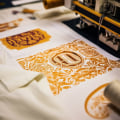
Custom apparel printing is a creative process that allows individuals and businesses to bring their unique designs to life on various clothing items. This method involves applying custom graphics, logos, or text onto garments, enabling a personalized touch that can reflect personal style, brand identity, or event themes. Whether you’re looking to create custom t-shirts for a family reunion, branded uniforms for your business, or unique merchandise for an event, understanding the nuances of custom apparel printing is essential. The benefits of custom apparel printing are numerous. Firstly, it offers a way to express individuality and creativity.
With the ability to choose colors, styles, and designs, you can create something that truly represents your vision. Additionally, custom apparel can enhance team spirit and unity in organizations or groups by providing matching outfits that foster a sense of belonging. From a business perspective, custom apparel serves as an effective marketing tool; wearing branded clothing can increase visibility and promote brand recognition. There are several types of custom apparel printing techniques available today, each with its own advantages. Screen printing is one of the most popular methods for bulk orders due to its cost-effectiveness and durability.
Direct-to-garment (DTG) printing allows for intricate designs and is ideal for smaller runs or one-off pieces. Heat transfer vinyl (HTV) is another option that provides vibrant colors and is great for detailed designs. Understanding these options will help you make informed decisions when submitting your design for custom apparel printing.
Preparing Your Design for Submission
When it comes to custom apparel printing, preparing your design for submission is crucial to achieving the best results. Here are the essential steps to ensure your design is print-ready:1.Choose the Right File Format
Different printing methods require specific file formats.The most commonly accepted formats for custom apparel printing include:
- Vector files: Such as .AI (Adobe Illustrator) and .EPS, are ideal for designs that need to be resized without losing quality.
- Raster files: Formats like .PNG and .JPEG are acceptable, but ensure they are high resolution.
2.Ensure High Resolution
The resolution of your design is critical for achieving a clear and vibrant print. Follow these guidelines:- A minimum resolution of 300 DPI (dots per inch) is recommended for most apparel printing.
- If using raster images, make sure they are large enough to maintain quality when scaled to the size of the print area.
3.Color Considerations
Colors can appear differently in print than on screen. To ensure color accuracy:- Use the CMYK color model, which is standard for printing, instead of RGB.
- If possible, request a color proof from your printer before finalizing your design.
4.Design Elements and Layout
Pay attention to the layout and elements of your design:- Avoid intricate details that may not translate well in print.
- Consider adding a bleed area (usually 1/8 inch) around your design to prevent any white edges after cutting.
Choosing the Right Printing Method
When it comes to custom apparel printing, selecting the right printing method is crucial for achieving the desired quality and durability of your designs. Two of the most popular methods are screen printing and digital printing, each with its own set of advantages and considerations.Screen Printing
Screen printing is a traditional method that involves creating a stencil (or screen) for each color in your design.This technique is particularly effective for bulk orders, as it allows for vibrant colors and long-lasting prints. Here are some key points to consider:
- Cost-Effective for Large Runs: The more you print, the lower the cost per item, making it ideal for large quantities.
- Color Vibrancy: Screen printing produces bright, opaque colors that stand out on various fabric types.
- Durability: Prints made with this method are generally more resistant to fading and cracking over time.
Digital Printing
Digital printing, on the other hand, is a newer technology that allows for direct printing onto fabric using inkjet printers. This method is perfect for smaller runs or designs with intricate details. Consider the following:- No Minimum Order Quantity: You can print just one piece, making it great for custom or one-off designs.
- Complex Designs: Digital printing excels at reproducing detailed images and gradients that may be challenging with screen printing.
- Quick Turnaround: This method typically has a faster production time, which is beneficial for urgent orders.
If you’re looking to produce a large quantity of apparel with bold colors, screen printing may be your best bet. However, if you require high detail and flexibility in order size, digital printing could be the way to go. Understanding these methods will help you make an informed decision that aligns with your vision for your custom apparel.
Finding a Custom Apparel Printing Service
When it comes to custom apparel printing, selecting the right service is crucial for ensuring your design is executed flawlessly. Here are some key factors to consider when choosing a custom apparel printer:- Reputation: Research potential printers by reading reviews and testimonials.
Look for feedback on their quality, customer service, and turnaround times. A printer with a solid reputation is more likely to deliver satisfactory results.
- Pricing: Compare quotes from different services, but remember that the cheapest option isn't always the best. Consider the quality of materials and printing techniques used. A slightly higher price may be worth it for superior results.
- Location: Decide whether you prefer a local or online printer.
Local printers can offer personalized service and quicker turnaround times, while online services may provide a wider range of options and competitive pricing.
- Printing Techniques: Different printers may specialize in various techniques such as screen printing, direct-to-garment (DTG), or heat transfer. Choose a service that aligns with your design needs.
- Minimum Order Requirements: Some printers have minimum order quantities, which can affect your decision if you only need a small batch.
- Sample Products: Request samples of their previous work to assess the quality of their prints and materials before making a commitment.
Submitting Your Design: Step-by-Step Process
Submitting your design for custom apparel printing can seem daunting, but following a clear step-by-step process can make it straightforward. Here’s how to do it:- Choose Your Printing Company: Start by selecting a reputable printing company that specializes in custom apparel printing. Research their services, reviews, and portfolio to ensure they align with your vision.
- Prepare Your Design: Before submission, ensure your design is in the correct format.
Most companies accept files in formats like PNG, JPEG, or AI. Check the specific requirements of your chosen printer regarding resolution and color profiles.
- Include Necessary Information: Along with your design file, provide essential details such as:
- Design Description: Explain the concept behind your design and any specific instructions for placement or sizing.
- Apparel Type: Specify the type of apparel you want your design printed on (e.g., t-shirts, hoodies, hats).
- Quantity: Indicate how many pieces you need to help the printer provide an accurate quote.
The production timeline will vary based on the company and order size, so be sure to ask about estimated delivery times. By following these steps, you can confidently submit your design for custom apparel printing, ensuring that your vision comes to life on your chosen garments.
Common Mistakes to Avoid When Submitting Designs
Submitting your design for custom apparel printing can be an exciting process, but it’s essential to avoid common mistakes that could lead to delays or unsatisfactory results. Here are some frequent pitfalls and tips on how to steer clear of them:- Incorrect File Formats: One of the most common mistakes is submitting designs in the wrong file format. Always check with your printing service for their preferred formats, typically PNG, JPEG, or AI. Submitting a file in an unsupported format can lead to complications.
- Low Resolution: Designs that are not high resolution can appear pixelated when printed.
Aim for a resolution of at least 300 DPI to ensure your design looks sharp and professional.
- Ignoring Color Profiles: Different devices display colors differently. Use the CMYK color mode for print designs to ensure that the colors you see on screen match what will be printed.
- Not Considering Print Area: Each apparel item has a specific print area. Make sure your design fits within these dimensions to avoid cropping important elements.
- Lack of Bleed and Safe Zones: Including bleed (extra space around your design) is crucial for a clean finish. Additionally, keep important text and graphics within the safe zone to prevent them from being cut off.
Taking the time to review these details can save you from costly mistakes and ensure that your final product meets your expectations.
FAQs About Custom Apparel Printing Submissions
When it comes to custom apparel printing, many customers have questions about the design submission process. Here are some frequently asked questions that can help clarify the steps involved:- What file formats are accepted for design submissions?
Most custom apparel printing services accept popular file formats such as PNG, JPEG, and PDF. However, for the best quality, vector files like AI or EPS are often preferred. - What resolution should my design be?
To ensure a high-quality print, your design should ideally be at least 300 DPI. This resolution helps maintain clarity and detail in the final product. - Can I use copyrighted images in my design?
Using copyrighted images without permission can lead to legal issues.Always ensure that you have the rights to use any images or graphics included in your design.
- Is there a size limit for my design?
Yes, most printing services have specific size limits for designs. Check with your provider for their maximum dimensions to avoid any issues during printing. - What if I need help with my design?
Many custom apparel printing companies offer design assistance or templates to help you create a suitable design. Don’t hesitate to reach out for support if needed. - How long does the submission process take?
The time it takes to submit your design can vary based on the service provider. Typically, once you upload your design, it may take a few hours to a couple of days for them to review and confirm your submission.
They can provide specific guidelines and support tailored to their processes.
Conclusion: Key Takeaways for Successful Design Submission
Submitting your design for custom apparel printing can be a straightforward process if you keep a few key points in mind. Here are the essential takeaways to ensure your submission is successful:- Understand the Requirements: Before you submit your design, familiarize yourself with the specific requirements of the printing service. This includes file formats, resolution, and color specifications. Most services prefer vector files like .AI or .EPS for the best quality.
- Choose the Right Colors: Colors can appear differently on screen than they do in print.
Use a color guide or consult with the printing service to select colors that will translate well onto fabric.
- Check for Design Clarity: Ensure that your design is clear and legible. Avoid overly intricate details that may not print well on smaller apparel items.
- Review Mockups: Many printing services provide digital mockups of your design on the apparel. Take advantage of this feature to visualize how your design will look before finalizing your order.
- Communicate with the Printer: If you have any questions or concerns about your design, don’t hesitate to reach out to the printing service. Clear communication can help prevent misunderstandings and ensure that your vision is accurately realized.
Remember, a well-prepared design not only reflects your creativity but also ensures that the final product meets your expectations. So take the time to refine your design and communicate effectively with your chosen printer!.