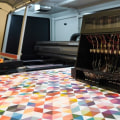
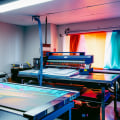
In recent years, custom apparel printing has surged in popularity, transforming the way individuals and businesses express their unique identities through clothing. This innovative process allows for the creation of personalized garments that reflect personal style, brand identity, or even a specific message. From t-shirts to hoodies, the possibilities are virtually endless, making custom apparel a favored choice for events, promotions, and everyday wear. The relevance of custom clothing design in today’s fashion and marketing industries cannot be overstated. As consumers increasingly seek individuality in their wardrobe choices, brands are responding by offering tailored solutions that cater to diverse tastes and preferences.
Whether it’s a small business looking to promote its brand or an individual wanting to showcase their creativity, custom apparel serves as a powerful medium for self-expression. However, as with any creative endeavor, there are certain limitations that come into play when it comes to colors and designs in custom apparel printing. Understanding these constraints is crucial for anyone looking to embark on their custom clothing journey. In the following sections, we will delve deeper into these limitations, providing insights that will help you navigate the exciting world of custom apparel with confidence.
Understanding Custom Apparel Printing Techniques
When it comes to custom apparel printing, understanding the various techniques available is essential, as each method has its own set of limitations regarding colors and designs. Two of the most popular techniques are screen printing and direct-to-garment (DTG) printing.Screen Printing
Screen printing is a traditional method that involves creating a stencil (or screen) for each color in the design.This technique is highly effective for bulk orders and offers vibrant colors, but it does come with some limitations:
- Color Limitations: Each color requires a separate screen, which can limit the number of colors in a design. Typically, designs with more than 4-6 colors may become cost-prohibitive.
- Design Complexity: Intricate designs with fine details may not translate well, as the screens can only capture so much detail.
- Fabric Compatibility: Not all fabrics are suitable for screen printing, which can restrict your choice of apparel.
Direct-to-Garment Printing
Direct-to-garment (DTG) printing, on the other hand, is a newer technology that allows for high-resolution images to be printed directly onto the fabric. This method offers several advantages:- No Color Limitations: DTG can print in full color without the need for separate screens, making it ideal for complex designs.
- Design Flexibility: The ability to print detailed images and gradients allows for greater creative freedom.
- Fabric Versatility: DTG works well on a variety of fabrics, including cotton and blends, expanding your options for custom apparel.
- Cost Efficiency: While great for small runs or one-off designs, DTG can be less cost-effective than screen printing for larger orders.
- Dye Absorption: The quality of the print can vary depending on the fabric's ability to absorb ink.
Color Limitations in Custom Apparel Printing
When it comes to custom apparel printing, understanding the color limitations is crucial for achieving the desired look and feel of your designs.Various printing methods, such as screen printing, direct-to-garment (DTG), and heat transfer, each have their own set of restrictions regarding color usage.
Color Matching Challenges
One of the primary challenges in custom apparel printing is color matching. Different printing techniques can produce varying results, which may lead to discrepancies between the colors you envision and what is printed. For instance, screen printing typically uses a limited palette of inks, which can restrict the range of colors available for your design. This limitation can be particularly noticeable when trying to replicate intricate designs or gradients.
Pantone Colors
To address these challenges, many designers turn to Pantone colors, a standardized color matching system that ensures consistency across different materials and printing processes.
By specifying Pantone colors in your design, you can help ensure that your chosen hues are accurately reproduced. However, it’s important to note that not all printers can match every Pantone color perfectly due to their specific ink formulations and capabilities.
- Screen Printing: Limited to a specific number of colors per design, often requiring simplification of complex images.
- DTG Printing: Offers a broader color range but may struggle with vibrant colors on dark fabrics.
- Heat Transfer: Can achieve detailed designs but may have limitations in color vibrancy and durability.
Design Limitations in Custom Apparel Printing
When it comes to custom apparel printing, understanding the design limitations is crucial for achieving the best results. Various factors can affect how your design translates onto fabric, including complexity and print area restrictions.Design Complexity
One of the primary limitations in custom apparel printing is the complexity of the design.Highly intricate designs with fine details may not reproduce well, especially on smaller items like t-shirts or caps. This is due to the limitations of printing technology, which may struggle to capture minute details. Therefore, it’s advisable to simplify your design or use bold, clear graphics that can be easily recognized from a distance.
Print Area Restrictions
Another important consideration is the print area restrictions. Each type of apparel has a designated area where printing can occur, and exceeding these limits can lead to undesirable results.For instance, printing too close to seams or edges may result in parts of your design being cut off or distorted. It’s essential to consult with your printing service to understand these boundaries and ensure your design fits within them.
Color Limitations
Additionally, while many printing methods support a wide range of colors, some techniques have specific limitations. For example, screen printing typically works best with a limited color palette, as each color requires a separate screen. If your design includes numerous colors or gradients, you might need to consider alternative methods like digital printing, which can handle more complex color schemes.In summary, being aware of these design limitations in custom apparel printing can save you time and ensure that your final product meets your expectations.Always communicate with your printer about your design ideas and seek their advice on how to optimize them for the best possible outcome.
Material Considerations for Custom Apparel Printing
When it comes to custom apparel printing, the choice of material plays a crucial role in determining the final outcome of your designs. Different fabrics not only affect the feel and durability of the apparel but also influence how colors and designs are rendered.Fabric Types and Their Impact
Here are some common fabric types used in custom apparel printing and their compatibility with various printing methods:- Cotton: Known for its softness and breathability, cotton is a popular choice for t-shirts and casual wear. It absorbs ink well, making it ideal for vibrant prints. However, it may not be suitable for all types of printing, especially those requiring high durability.
- Polyester: This synthetic fabric is excellent for custom apparel printing, particularly for sportswear.
It holds colors well and is resistant to fading, but it can be challenging to print on due to its smooth surface. Techniques like dye-sublimation work best on polyester.
- Blends: Fabrics that combine cotton and polyester offer a balance of comfort and durability. They are versatile for various printing methods, allowing for a wide range of design possibilities.
- Canvas: Often used for bags and outerwear, canvas is sturdy and can handle bold designs. However, its texture may require specific inks to ensure the print adheres properly.
Print Compatibility
The choice of printing method also depends on the fabric type:- Screen Printing: Best suited for cotton and cotton blends, this method allows for vibrant colors but may not be ideal for intricate designs on synthetic fabrics.
- Dye-Sublimation: This technique works exclusively with polyester or polymer-coated materials, producing stunning, full-color prints that are embedded into the fabric.
- Direct-to-Garment (DTG): DTG printing is compatible with cotton fabrics and offers high-resolution designs but may not perform well on darker materials without a white base layer.
By selecting the right fabric and printing method, you can ensure that your designs not only look great but also stand the test of time.
Common FAQs About Limitations in Custom Apparel Printing
When it comes to custom apparel printing, many customers have questions regarding the limitations on colors and designs. Understanding these constraints can help you make informed decisions when creating your custom pieces.What are the common limitations in colors?
One of the primary limitations in custom apparel printing is the number of colors that can be used in a design. Most printing methods, such as screen printing, have a maximum number of colors that can be effectively applied. Here are some key points to consider:- Screen Printing: Typically allows for 1 to 6 colors per design, depending on the complexity and size of the print.
- Direct-to-Garment (DTG) Printing: Can handle full-color designs but may have limitations on fabric types and textures.
- Heat Transfer: Generally supports multiple colors but may not be as durable as other methods.
Are there design restrictions?
In addition to color limitations, there are also design restrictions that you should be aware of:- Complexity: Highly intricate designs may not translate well in certain printing methods, leading to loss of detail.
- Size: The size of your design can affect how it is printed; larger designs may require different techniques or materials.
- Fabric Type: Some fabrics may not hold certain inks well, which can limit your design options.
They can offer guidance on what works best for your specific needs and help you navigate any limitations effectively. By understanding these factors, you can create a design that not only looks great but also meets the technical requirements for successful printing.
Best Practices for Designing Custom Apparel Within Limitations
When it comes to custom apparel printing, understanding the limitations of colors and designs is crucial for creating effective and appealing products. Here are some best practices to help you navigate these constraints while still achieving a standout design.1.Know Your Printing Method
Different printing methods have varying capabilities regarding color and detail. For instance, screen printing is excellent for bold colors but may struggle with intricate designs, while direct-to-garment (DTG) printing can handle complex images but may have limitations on fabric types.Choose a method that aligns with your design goals.
2.Limit Your Color Palette
While it might be tempting to use a wide array of colors, sticking to a limited palette can enhance the overall look of your apparel. Aim for 3-5 colors that complement each other and fit your brand identity. This not only simplifies the printing process but also ensures a cohesive design.3.Consider Fabric Type
The type of fabric you choose can significantly impact how colors appear once printed. For example, cotton tends to absorb ink differently than polyester.Always request samples to see how your design translates onto the chosen material.
4.Test Your Designs
Before finalizing your order, conduct a test print of your design. This allows you to see how the colors and details come together on the actual fabric, giving you a chance to make adjustments if necessary.5.Embrace Simplicity
Simplicity often leads to stronger designs. Avoid overcrowding your apparel with too many elements or text. A clean, straightforward design is more likely to resonate with your audience and stand out in a crowded market.6.Use High-Quality Graphics
Ensure that any graphics or images used in your design are high-resolution.Low-quality images can result in pixelation when printed, detracting from the overall quality of your custom apparel.By following these best practices, you can effectively design custom apparel that not only adheres to printing limitations but also captures attention and communicates your brand message effectively.
Conclusion: Navigating Limitations in Custom Apparel Printing
In conclusion, understanding the limitations of custom apparel printing is crucial for anyone looking to create unique and appealing designs. Throughout this article, we have explored various factors that can affect the color and design choices available in custom printing. One of the primary limitations is the printing method used. Different techniques, such as screen printing, direct-to-garment (DTG), and heat transfer, each have their own strengths and weaknesses regarding color vibrancy and design complexity. For instance, while screen printing is excellent for bold colors and large quantities, it may not be suitable for intricate designs with many colors. Additionally, the material of the apparel plays a significant role in determining how colors appear once printed.Fabrics like cotton absorb ink differently than polyester, which can lead to variations in color saturation and overall appearance. Therefore, selecting the right fabric is essential for achieving the desired outcome. Another important aspect to consider is the color palette. Many printing services offer a limited range of colors based on their equipment capabilities. This limitation can impact your design choices, especially if you have specific shades in mind.
It’s advisable to consult with your printing provider to understand their color options and any potential restrictions. Lastly, it’s vital to keep in mind that certain designs may not translate well into print due to size constraints or intricate details that could get lost during the printing process. Simplifying your design or opting for larger elements can help ensure that your final product meets your expectations. By being aware of these limitations and working closely with your custom apparel printing provider, you can navigate these challenges effectively. This understanding will not only enhance the quality of your printed apparel but also ensure that your creative vision is realized in the final product.