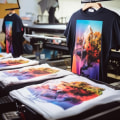
Custom apparel printing has revolutionized the way individuals and businesses express their identity through clothing. This innovative process allows for the creation of unique designs on various garments, ranging from t-shirts and hoodies to hats and bags. Whether for personal use, promotional events, or team uniforms, custom apparel serves as a powerful medium for communication and branding. The significance of this practice extends beyond mere aesthetics; it plays a crucial role in marketing strategies and personal expression.At its core, custom apparel printing involves transferring a design onto fabric using various techniques such as screen printing, direct-to-garment (DTG) printing, or heat transfer.
Each method offers distinct advantages, catering to different needs and budgets. For instance, screen printing is ideal for bulk orders due to its efficiency and cost-effectiveness, while DTG printing excels in producing intricate designs with vibrant colors on smaller runs. Understanding these methods is essential for anyone looking to delve into the world of custom printing.As we explore the intricacies of custom apparel printing, it’s important to consider the flexibility it offers in terms of design. Many people wonder about the possibility of making changes to their designs after submission.
This question is particularly relevant as it highlights the dynamic nature of the custom printing process and the importance of collaboration between designers and printers. In the following sections, we will address this concern and provide insights into how to navigate design modifications effectively.
The Design Submission Process
Submitting a design for custom apparel printing is a crucial step in ensuring that your vision comes to life on fabric. Understanding the design submission process can help streamline your experience and avoid potential delays. Here are the key steps involved:- Prepare Your Design: Before submission, ensure your design is finalized.
Use professional design software like Adobe Illustrator or Photoshop to create your artwork. Save your file in a high-resolution format, such as PNG, JPEG, or PDF, as these are commonly accepted by printing services.
- Check Design Specifications: Each printing company may have specific requirements regarding file size, color modes (CMYK vs. RGB), and dimensions. Always refer to the guidelines provided by your chosen printer to ensure compatibility.
- Submit Your Design: Most custom apparel printing services offer an online platform for design submission.
Upload your file directly through their website, ensuring you follow any prompts for additional information, such as garment type and size.
- Review and Approve: After submission, you will typically receive a digital proof of your design. This is your opportunity to review the layout, colors, and overall appearance. Make sure everything looks perfect before giving your final approval.
- Understand Timelines: The time it takes from submission to delivery can vary based on the complexity of your order and the printer's workload. Be sure to ask about estimated turnaround times so you can plan accordingly.
Remember, clear communication with your printing service is key to achieving the best results.
Can You Make Changes After Submission?
When it comes to custom apparel printing, many customers wonder if they can make changes to their designs after submission. The answer largely depends on the policies of the specific printing company you are working with.Most printing companies have a cut-off period for making changes to your design. This period typically ranges from a few hours to a couple of days after submission. Once the design is in the production queue, alterations may not be possible without incurring additional fees or delays.Common Scenarios for Design Changes
- Minor Edits: If you notice a small typo or want to adjust a color, many companies allow these minor edits as long as they are requested promptly.
- Major Changes: Significant alterations, such as changing the entire layout or adding new elements, may require you to resubmit your design and could lead to additional costs.
- Approval Process: Some companies send a digital proof for approval before printing.
This is an excellent opportunity to catch any mistakes or make last-minute adjustments.
Common Reasons for Needing Design Changes
When it comes to custom apparel printing, there are several common reasons why you might find yourself needing to make changes to your design after submission. Understanding these reasons can help you navigate the process more effectively and ensure that your final product meets your expectations.1.Errors in the Original Design
One of the most frequent reasons for requesting design changes is the discovery of errors in the original submission.This could include:
- Spelling mistakes in text elements
- Incorrect colors that don’t match your brand guidelines
- Poor image quality that may not print well
2.New Ideas or Inspiration
Sometimes, inspiration strikes after you've submitted your design. You might come across a new trend or receive feedback that sparks a fresh idea. This can lead to:- Adding new elements or graphics that enhance the overall look
- Modifying the layout for better visual impact
- Changing fonts or styles to better align with your vision
3.Feedback from Others
Sharing your design with friends, family, or colleagues can provide valuable insights. They may point out aspects you hadn’t considered, such as:- The clarity of your message
- The overall aesthetic and whether it resonates with potential customers
- Practical considerations like sizing and placement of designs on apparel
Being open to adjustments can lead to a more successful final product that truly represents your vision.
How to Request Changes Effectively
When it comes to custom apparel printing, making changes to your design after submission can be a delicate process. To ensure your requests are handled smoothly, follow these practical tips for effective communication with your printing company.Be Clear and Specific
When requesting changes, clarity is key. Instead of saying, "I want to change the design," specify what exactly you want altered. For example:- Color adjustments: Specify which colors need to be changed and provide the exact color codes if possible.
- Text modifications: Indicate the exact text that needs to be added, removed, or altered, along with any font preferences.
- Layout changes: Describe how you want elements rearranged or resized.
Use Visual References
Visual aids can significantly enhance your communication.If possible, include:
- Mockups: Provide updated mockups or sketches that illustrate your desired changes.
- Examples: Share links or images of designs that reflect the style or elements you wish to incorporate.
Establish a Timeline
Time is often of the essence in custom apparel printing. When requesting changes, clearly communicate any deadlines you have. This helps the printer prioritize your request and ensures that your project stays on track.Maintain Professionalism
Always approach your printer with respect and professionalism. A positive attitude can go a long way in fostering a good working relationship.If there are issues with the initial design, express your concerns constructively rather than placing blame.By following these guidelines, you can effectively communicate your design changes and work collaboratively with your printing company to achieve the best results for your custom apparel printing project.
Potential Costs and Implications of Making Changes
When it comes to custom apparel printing, making changes to your design after submission can lead to various costs and implications that you should be aware of. Understanding these factors can help you make informed decisions and avoid unexpected expenses.Cost of Design Changes
- Modification Fees: Many printing companies charge a fee for any modifications made to the design after it has been submitted. This fee can vary significantly depending on the complexity of the changes and the company’s policies.
- Re-setup Costs: If your changes require a new setup for the printing process, you may incur additional re-setup costs. This is particularly common if the changes affect the color scheme or layout of the design.
- Material Costs: In some cases, changes may necessitate using different materials or inks, which can further increase your overall expenses.
Implications of Changing Designs
- Production Delays: Making changes to your design can lead to delays in production timelines.
Depending on when you request the changes, it could push back your delivery date, which is crucial if you have a specific deadline.
- Quality Concerns: Frequent changes might compromise the quality of the final product. Each alteration requires careful consideration to ensure that it aligns with your original vision while still being feasible for printing.
- Communication Challenges: Changes can lead to miscommunication between you and the printing company. It’s essential to clearly articulate your desired modifications to avoid misunderstandings that could affect the final output.
FAQs About Design Changes in Custom Apparel Printing
When it comes to custom apparel printing, many customers often wonder about the possibility of making changes to their designs after submission.Here are some frequently asked questions regarding this topic:
- Can I change my design after it has been submitted?
Generally, once your design is submitted for custom apparel printing, changes can be challenging. However, if you contact the printing company promptly, they may allow minor adjustments depending on their policies and the stage of production. - What types of changes can I make?
Most printing companies will permit changes such as color adjustments, text modifications, or resizing of elements. Major alterations, like a complete redesign, may not be feasible once the printing process has begun. - Is there a deadline for making changes?
Yes, there is typically a cutoff time for design modifications. This deadline varies by company but is usually set before the production phase starts.It’s crucial to check with your provider to understand their specific timelines.
- Will there be additional costs for changes?
Depending on the nature of the changes and the policies of the printing service, there may be additional fees involved. Always inquire about potential costs before making any modifications.
Conclusion: Key Takeaways on Design Changes in Custom Apparel Printing
In conclusion, understanding the intricacies of custom apparel printing is essential for anyone looking to create unique and personalized clothing. Throughout this article, we have explored the implications of making changes to your design after submission, emphasizing the importance of careful planning and communication with your printing service. Here are the key takeaways:- Design Finalization: Always ensure that your design is finalized before submission.
This includes checking for any errors in text, colors, and overall layout.
- Communication is Key: If changes are necessary, communicate with your printing provider as soon as possible. Many companies have specific policies regarding alterations after submission.
- Potential Costs: Be aware that making changes post-submission may incur additional costs or delays in production. Understanding these factors can help you budget accordingly.
- Proofing Process: Take advantage of any proofing options offered by your printer. This step can help catch mistakes before the final print run.
- Time Constraints: Consider the timeline for your project.
Last-minute changes can lead to rushed decisions that may compromise the quality of your final product.