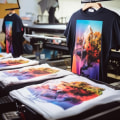
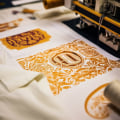
In today's dynamic fashion landscape, custom apparel printing has emerged as a powerful tool for individuals and businesses alike. Whether you're looking to create unique clothing for a special event, promote your brand, or simply express your personal style, custom apparel offers endless possibilities. This process allows you to transform ordinary garments into personalized pieces that reflect your vision and message. The significance of custom clothing extends beyond mere aesthetics; it plays a crucial role in branding and marketing strategies. Companies often utilize custom apparel to foster team spirit, enhance visibility at events, or create memorable promotional items.
As a result, understanding the logistics behind custom apparel printing, including factors like minimum order quantity, becomes essential for anyone considering this option. As we delve deeper into the world of custom apparel printing, we will explore various aspects that influence the production process, including the importance of minimum order quantities. This knowledge will empower you to make informed decisions when embarking on your custom clothing journey, ensuring that you achieve the perfect balance between quality and quantity.
What is Custom Apparel Printing?
Custom apparel printing is a process that allows individuals and businesses to create unique clothing items tailored to their specific needs. This method of printing enables the application of designs, logos, or text onto various types of apparel, making it an ideal choice for promotional events, team uniforms, or personal fashion statements.Types of Custom Printing
- Screen Printing: This traditional method involves creating a stencil (or screen) and using it to apply layers of ink onto the fabric. It is particularly effective for large orders and designs with few colors.
- Direct-to-Garment (DTG) Printing: DTG uses specialized inkjet technology to print directly onto the fabric.
This method is perfect for intricate designs and smaller quantities, allowing for high-resolution images and a wide range of colors.
- Heat Transfer Printing: In this technique, designs are printed onto a special transfer paper and then applied to the garment using heat and pressure. It’s versatile and works well for both small and large runs.
- Sublimation Printing: This method is used primarily on polyester fabrics. It involves turning solid dye into gas without passing through a liquid state, allowing for vibrant colors that become part of the fabric.
Benefits of Custom Apparel
The advantages of custom apparel printing extend beyond mere aesthetics. Here are some key benefits:- Brand Identity: Custom apparel helps businesses establish a strong brand presence.
Wearing branded clothing fosters recognition and loyalty among customers.
- Team Unity: For sports teams or corporate events, matching apparel promotes a sense of belonging and teamwork.
- Personal Expression: Individuals can express their unique style or commemorate special occasions through personalized designs.
- Quality Marketing Tool: Custom apparel serves as a walking advertisement, effectively promoting your brand wherever it is worn.
Understanding Minimum Order Quantities (MOQs)
When it comes to custom apparel printing, understanding minimum order quantities (MOQs) is crucial for both businesses and individuals looking to create personalized clothing. MOQs refer to the smallest number of items that a supplier is willing to produce in a single order. These quantities can vary significantly depending on the printing method, the type of apparel, and the supplier's policies.Why Do MOQs Exist?
The primary reason for MOQs in the custom printing industry is to ensure cost-effectiveness. Printing processes, especially screen printing, require setup time and resources that can be costly.By establishing a minimum order, suppliers can spread these costs over a larger number of items, making it financially viable for them to offer competitive pricing.Additionally, MOQs help maintain quality control. Producing a smaller batch may lead to inconsistencies in color and design, which can affect the overall quality of the apparel. By setting a minimum quantity, suppliers can ensure that they have enough items to run a consistent production process.
- Impact on Pricing: Generally, the higher the quantity ordered, the lower the price per item. This is because bulk orders allow suppliers to optimize their production processes.
- Flexibility: Some suppliers may offer lower MOQs for specific printing methods or promotional items, providing more flexibility for smaller businesses or individual customers.
- Production Time: Larger orders may also lead to longer production times due to the complexity of managing multiple items at once.
They not only influence pricing but also affect production timelines and quality assurance. Before placing an order, it's advisable to discuss these quantities with your supplier to find an arrangement that meets your needs while ensuring you receive high-quality products.
Factors Influencing Minimum Order Quantities
When considering custom apparel printing, understanding the factors that influence minimum order quantities (MOQs) is crucial for both businesses and individuals. Several key elements can affect these quantities, including production costs, design complexity, and the type of printing method employed.Production Costs
One of the primary factors influencing MOQs is the production cost. Manufacturers often set a minimum order to ensure that the costs associated with setup, materials, and labor are covered.For instance, smaller orders may not be economically viable due to the fixed costs involved in the printing process. As a result, larger orders typically lead to lower per-unit costs, making them more appealing for both the producer and the customer.
Design Complexity
The complexity of the design also plays a significant role in determining MOQs. More intricate designs may require additional setup time and resources, which can increase production costs. For example, if a design involves multiple colors or detailed graphics, it may necessitate specialized equipment or techniques that are not cost-effective for small runs.Therefore, simpler designs might allow for lower MOQs compared to more elaborate ones.
Type of Printing Method
The printing method chosen can further influence MOQs. Different techniques such as screen printing, direct-to-garment (DTG), or heat transfer have varying setup requirements and efficiencies. Screen printing, for instance, often has higher initial setup costs but becomes more economical with larger quantities. In contrast, DTG printing allows for smaller runs without significant cost penalties, making it a popular choice for custom designs with low MOQ requirements.In summary, when exploring custom apparel printing, it’s essential to consider how production costs, design complexity, and printing methods can impact minimum order quantities.Understanding these factors can help you make informed decisions that align with your budget and design needs.
Typical Minimum Order Quantities for Different Printing Methods
When considering custom apparel printing, understanding the typical minimum order quantities (MOQs) for different printing methods is crucial for making informed decisions. Each method has its own set of requirements that can significantly impact your project.MOQs for Screen Printing
Screen printing is one of the most popular methods for custom apparel printing, especially for larger orders. The typical MOQ for screen printing usually starts at around 12 to 24 pieces. This is primarily due to the setup process, which involves creating screens for each color in the design.As a result, the more items you order, the lower the cost per unit becomes. For larger orders, some printers may even offer discounts, making it a cost-effective choice for bulk production.
MOQs for Direct-to-Garment (DTG) Printing
In contrast, direct-to-garment (DTG) printing allows for more flexibility with smaller orders. Many DTG printers have no strict minimum order quantity, and you can often print just a single piece. This makes DTG an excellent option for custom designs or one-off items.However, it’s important to note that while there may be no MOQ, the cost per item can be higher compared to screen printing when ordering in bulk.
Comparison of Printing Methods
- Screen Printing: Best suited for larger quantities; MOQs typically range from 12 to 24 pieces.
- DTG Printing: Ideal for small runs; often no minimum order required.
- Cost Efficiency: Screen printing becomes more economical with larger orders, while DTG is better for small batches or unique designs.
How to Find Custom Apparel Printers with Low or No Minimums
Finding custom apparel printers that offer low or no minimum order quantities can be a game-changer for small businesses, startups, or individuals looking to create unique clothing without the burden of large inventory. Here are some effective strategies to help you locate these printers:- Utilize Online Marketplaces: Websites like Etsy, Redbubble, and Printful often feature independent printers who specialize in custom apparel printing with flexible order requirements. You can browse through various options and directly contact sellers to inquire about their minimum order policies.
- Search for Local Printers: Local print shops may offer personalized services and lower minimums compared to larger companies.
Use Google Maps or Yelp to find custom apparel printers in your area, and don’t hesitate to call them to ask about their MOQ.
- Join Online Forums and Groups: Platforms like Reddit or Facebook groups dedicated to small businesses or custom apparel can provide valuable recommendations. Members often share their experiences with different printers, including those with low or no minimums.
- Check Industry-Specific Websites: Websites such as Printavo and Custom Ink allow you to compare different printing services. Many of these platforms clearly state their minimum order requirements, making it easier for you to find suitable options.
- Request Samples: Once you identify potential printers, consider requesting samples of their work. This not only helps you assess the quality of their printing but also opens up a dialogue about your specific needs, including any flexibility on minimum orders.
This approach allows for greater creativity and experimentation in your custom apparel projects.
FAQs About Minimum Order Quantities in Custom Apparel Printing
When it comes to custom apparel printing, one of the most common inquiries revolves around the concept of minimum order quantities (MOQs). Understanding MOQs is crucial for businesses and individuals looking to create personalized clothing items.What is a Minimum Order Quantity?
A minimum order quantity refers to the smallest number of items that a supplier is willing to produce for a single order. In the realm of custom apparel printing, this can vary significantly based on the printing method, the type of apparel, and the supplier's policies.Why Do Suppliers Have MOQs?
- Cost Efficiency: Printing in bulk often reduces the cost per item, making it more economical for both the supplier and the customer.
- Production Feasibility: Certain printing techniques, like screen printing, require setup time and materials that make small orders less viable.
- Quality Control: Larger orders allow for better quality assurance processes, ensuring that each item meets the desired standards.
Typical MOQs in Custom Apparel Printing
The typical MOQ for custom apparel printing can range from as low as 1 item for digital printing to 50 or more for screen printing. However, many suppliers are now offering flexible options to accommodate smaller businesses or individual customers.Can You Order Fewer Than the MOQ?
While many suppliers have set MOQs, some may allow you to place smaller orders at an additional cost.It’s always best to inquire directly with your chosen supplier about their policies regarding custom printing inquiries.
Conclusion
Understanding minimum order quantities in custom apparel printing can help you make informed decisions when planning your next project. Always communicate with your supplier to clarify any questions regarding MOQs and explore options that fit your needs.Conclusion: Making Informed Decisions in Custom Apparel Printing
In conclusion, understanding the minimum order quantity (MOQ) is crucial when engaging in custom apparel printing. Throughout this article, we have explored how MOQs can vary significantly based on several factors, including the type of apparel, the printing method, and the specific vendor you choose. Recognizing these variables can help you make informed decisions that align with your budget and project goals.When considering custom apparel printing, it’s essential to weigh the benefits of bulk orders against the flexibility of smaller runs.For businesses looking to create a cohesive brand image or for events requiring matching outfits, higher MOQs may be advantageous. However, for individuals or small groups seeking unique designs, understanding the options for lower MOQs can open up new possibilities.
- Evaluate Your Needs: Before placing an order, assess how many items you truly need. This will help you determine if a vendor's MOQ aligns with your requirements.
- Research Vendors: Different vendors have different policies regarding MOQs. Some may offer lower quantities for a higher price, while others might have strict minimums.
- Consider Future Orders: If you anticipate needing more items in the future, it might be worth investing in a larger order now to save costs later.
Whether you're a business owner, event planner, or individual looking for personalized apparel, understanding these key aspects will enhance your overall experience and satisfaction with your custom printing projects.