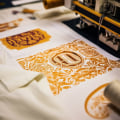
Custom apparel printing is a transformative process that allows individuals and businesses to create unique clothing items tailored to their specific needs. This method involves applying designs, logos, or text onto various types of garments, making it an essential tool in both the fashion and promotional industries. Whether for personal expression, team uniforms, or marketing campaigns, custom apparel printing offers a versatile solution that caters to diverse audiences. The significance of custom apparel printing lies in its ability to blend creativity with functionality. It empowers brands to establish a distinct identity through personalized clothing that resonates with their target market.
From small businesses looking to enhance brand visibility to large organizations aiming to foster team spirit, the applications of custom apparel are vast and varied. This process not only enhances the aesthetic appeal of garments but also serves as a powerful marketing tool that can leave a lasting impression. As we delve deeper into the intricacies of custom apparel printing, it is crucial to understand the different techniques involved, such as screen printing, direct-to-garment (DTG) printing, and heat transfer methods. Each technique offers unique advantages and is suited for different types of projects. By grasping these fundamentals, you will be better equipped to appreciate the artistry and precision that goes into creating custom apparel that stands out in a crowded marketplace.
The Different Methods of Custom Apparel Printing
When it comes to custom apparel printing, understanding the various methods available is crucial for making informed decisions.Here are some of the most popular methods:
- Screen Printing: This traditional method involves creating a stencil (or screen) for each color in the design. Ink is then pushed through the screens onto the fabric. Screen printing is ideal for large orders due to its efficiency and cost-effectiveness, especially when using a limited color palette.
- Direct-to-Garment (DTG): DTG printing uses specialized inkjet technology to print directly onto the fabric. This method allows for high-resolution designs with a wide range of colors, making it perfect for intricate graphics and smaller orders.
However, it may not be as durable as screen printing.
- Heat Transfer: In this method, designs are printed onto a special transfer paper and then applied to the garment using heat and pressure. Heat transfer is versatile and works well for both small and large runs, but it may not hold up as well over time compared to other methods.
- Sublimation: Sublimation printing is a unique process that involves turning solid dye into gas without passing through a liquid state. This method is best suited for polyester fabrics and allows for vibrant, all-over prints that are embedded into the fabric itself, resulting in a soft feel and long-lasting durability.
Choosing the Right Method for Your Needs
When it comes to custom apparel printing, selecting the right method is crucial for achieving the desired results.The choice of printing technique can significantly impact the quality, durability, and overall appearance of your custom designs. Here are some key factors to consider when choosing a printing method:
- Fabric Type: Different fabrics respond better to specific printing techniques. For instance, screen printing is ideal for cotton and blends, while direct-to-garment (DTG) printing works well on lighter fabrics and allows for intricate designs.
- Design Complexity: If your design features multiple colors or intricate details, methods like DTG or sublimation may be more suitable. On the other hand, simpler designs with fewer colors can be effectively produced using screen printing.
- Order Quantity: The volume of your order can also influence your choice.
For large orders, screen printing is often more cost-effective due to its setup costs being spread over many items. Conversely, for smaller runs, DTG or heat transfer methods may be more economical.
- Budget: Your budget will play a significant role in determining the best method for your needs. While some techniques like sublimation may offer vibrant colors and high-quality prints, they can also be more expensive. Assessing your budget against the desired quality will help narrow down your options.
Whether you prioritize quality, cost, or design complexity, there’s a suitable option available to bring your vision to life.
The Custom Apparel Printing Process Step-by-Step
The custom apparel printing process is a meticulous journey that transforms your design ideas into tangible products. Here’s a step-by-step breakdown of how it works:- Design Creation: The first step involves conceptualizing your design. This can be done using graphic design software like Adobe Illustrator or Canva. It’s essential to consider the colors, fonts, and overall aesthetics that align with your brand or personal style.
- File Preparation: Once the design is finalized, it needs to be prepared for printing.
This includes ensuring the file is in the correct format (usually vector files like .AI or .EPS) and that it meets the printer's specifications regarding resolution and color profiles.
- Setup: After file preparation, the next step is setting up the printing equipment. This may involve selecting the appropriate printing method—such as screen printing, direct-to-garment (DTG), or heat transfer—and calibrating the printer to ensure accurate color reproduction.
- Printing: With everything set up, the actual printing process begins. Depending on the method chosen, this could involve layering inks for screen printing or directly applying ink onto fabric in DTG. Each method has its unique advantages, such as durability or vibrancy of colors.
- Finishing Touches: After printing, garments often undergo finishing processes like curing (for screen prints), cutting excess material, or adding labels and tags.
This step ensures that the final product meets quality standards and is ready for wear.
Design Considerations for Custom Apparel Printing
When it comes to custom apparel printing, the design you choose plays a crucial role in the final product's quality and appeal. Here are some key design considerations to keep in mind:- Color Selection: The colors you choose can significantly affect the overall look of your apparel. It's essential to consider how colors will appear when printed on different fabric types.
For instance, vibrant colors may look different on cotton compared to polyester. Always refer to a color guide or swatch to ensure your selections will translate well in the final print.
- Resolution: The resolution of your design files is critical for achieving high-quality prints. Aim for a minimum of 300 DPI (dots per inch) for images and graphics. Low-resolution images can appear pixelated or blurry when printed, detracting from the overall quality of your custom apparel.
- File Formats: Different printing methods require specific file formats.
For example, vector files like .AI or .EPS are ideal for screen printing, while raster files like .PNG or .JPEG may be suitable for direct-to-garment (DTG) printing. Always check with your printer for their preferred formats to avoid any issues during production.
- Design Complexity: While intricate designs can be visually stunning, they may not always translate well into print. Consider simplifying complex graphics or using fewer colors to ensure clarity and vibrancy in the final product.
- Placement and Size: Think about where you want your design to appear on the apparel and its size relative to the garment. A well-placed design can enhance the overall look, while poor placement may lead to an unbalanced appearance.
Remember, a well-thought-out design is key to successful custom apparel printing.
Common Applications of Custom Apparel Printing
Custom apparel printing has become a versatile solution across various industries, serving multiple purposes that cater to both personal and professional needs. Here are some of the most common applications:- Promotional Events: Businesses often utilize custom apparel printing for promotional events, such as trade shows, product launches, and community fairs. Branded t-shirts, hats, and bags not only enhance visibility but also create a sense of unity among staff and attendees.
- Sports Teams: Custom apparel is essential for sports teams at all levels. From youth leagues to professional organizations, teams often order jerseys, warm-up gear, and fan merchandise that feature their logos and player names.
This fosters team spirit and provides fans with a way to show their support.
- Corporate Branding: Many companies invest in custom apparel for employee uniforms or corporate gifts. This not only promotes brand recognition but also helps in creating a professional image. Employees wearing branded clothing can enhance customer trust and loyalty.
- Personal Use: Custom apparel printing is also popular among individuals looking to express their creativity or commemorate special occasions. Whether it’s a family reunion, wedding party, or birthday celebration, personalized clothing can make events memorable.
- Non-Profit Organizations: Non-profits often use custom apparel to raise awareness for their causes.
T-shirts and other items can be sold or given away during fundraising events, helping to spread the message while also generating funds.
Frequently Asked Questions about Custom Apparel Printing
When considering custom apparel printing, many potential customers have questions that can help them make informed decisions. Here are some of the most frequently asked questions:- What is the typical turnaround time for custom apparel printing?
Turnaround times can vary based on the complexity of the design and the quantity ordered. Generally, you can expect a turnaround time of 1 to 2 weeks for smaller orders, while larger orders may take longer.Always check with your printer for specific timelines.
- Is there a minimum order quantity?
Many custom apparel printing services have a minimum order quantity (MOQ) requirement, which can range from 5 to 20 pieces. However, some companies offer no minimums, especially for digital printing. It's essential to confirm this before placing your order. - What types of printing methods are available?
Common methods include screen printing, direct-to-garment (DTG) printing, and heat transfer. Each method has its advantages depending on the design complexity and fabric type.Screen printing is ideal for bulk orders with fewer colors, while DTG is great for intricate designs.
- How should I care for my printed garments?
To ensure longevity, it’s recommended to wash printed apparel inside out in cold water and tumble dry on low heat. Avoid using bleach or fabric softeners, as these can damage the print. - Can I see a sample before placing a large order?
Most reputable custom apparel printers will provide a sample or proof of your design before proceeding with a full order. This allows you to check the quality and make any necessary adjustments.
Conclusion: The Future of Custom Apparel Printing
As we look towards the future of custom apparel printing, it is clear that this industry is on the brink of significant transformation. The advancements in technology and shifts in consumer preferences are shaping a new landscape for custom apparel. One of the most notable trends is the increasing demand for sustainability.Consumers are becoming more conscious of their environmental impact, leading to a rise in eco-friendly printing methods and materials. Brands that adopt sustainable practices not only appeal to environmentally aware customers but also position themselves as leaders in a competitive market. Additionally, the integration of digital printing technologies is revolutionizing the way custom apparel is produced. Techniques such as Direct-to-Garment (DTG) printing allow for high-quality designs with minimal waste, enabling businesses to offer personalized products without the need for large inventory. This shift towards on-demand production aligns perfectly with the growing trend of personalization, where consumers seek unique items that reflect their individual style. Moreover, advancements in 3D printing and automation are set to further enhance the capabilities of custom apparel printing.
These technologies promise faster turnaround times and greater design flexibility, making it easier for brands to respond to market trends and consumer demands. In conclusion, the future of custom apparel printing is bright, driven by innovation and a commitment to sustainability. As technology continues to evolve, businesses that embrace these changes will not only thrive but also contribute positively to the environment and society at large.